Retirement Wealth Management Oversight
Deric Ned
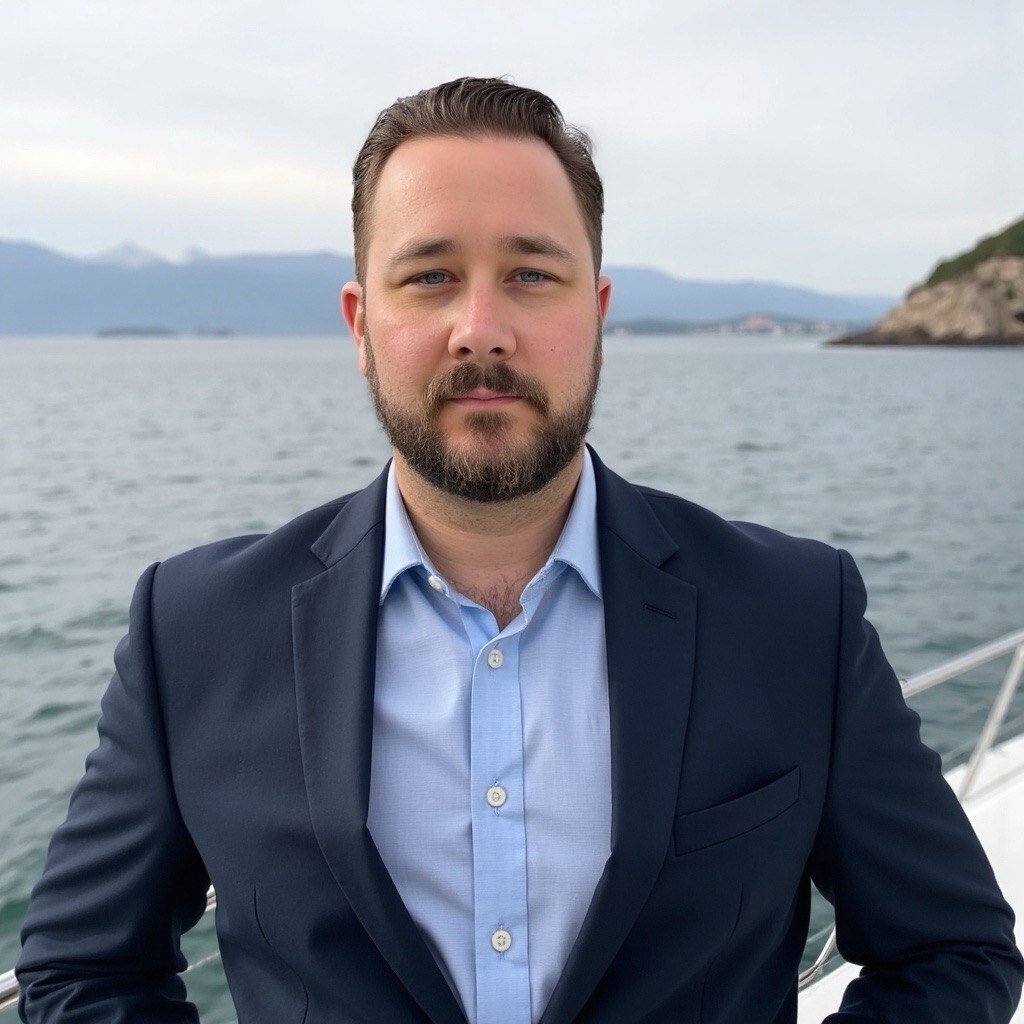
Deric Ned is a Pasadena-based financial professional and founder of Ridgemont Capital, a boutique firm specializing in retirement planning. After early experience on Wall Street and a successful career in the precious metals industry, he established his own practice in 2021 with a focus on integrity, structure, and accountability. Drawing on years of reviewing thousands of portfolios, Deric helps clients build dynamic, personalized retirement strategies by coordinating the right professionals at the right time.
Other Services


Strong retirement wealth management oversight gives plan sponsors a clear process to manage risk, align investments with the plan’s objectives, and support better outcomes for employees. It also helps fiduciaries document prudent decision making, monitor fees, and stay current with the Internal Revenue Code and Department of Labor regulations. Ridgemont Capital provides education first guidance that makes complex oversight tasks easier to understand and simpler to execute.
What Retirement Wealth Management Oversight Means
Oversight is the ongoing governance of a retirement plan’s investment lineup, service providers, fees, and participant communications. The goal is a process that supports informed decisions, consistent compliance, and long term investment returns that match the plan’s objectives. A disciplined framework helps plan fiduciaries act solely in the interest of plan participants while managing market volatility, monitoring performance, and keeping documentation ready for review.
Fiduciary Oversight and Roles
Every plan relies on people who carry fiduciary responsibilities. These can include the plan sponsor, investment committee members, and other named fiduciaries. Their duties include:
- Acting solely in the interest of participants and beneficiaries
- Following plan documents and the investment policy statement
- Paying only reasonable plan expenses and monitoring fees and services
- Maintaining a prudent process for investment decisions and oversight
Outside experts can support the process. Financial professionals help with investment advice and screening, while legal advisors and counsel help interpret regulations and improve documentation practices.
Building a Governance Framework
A clear framework reduces confusion and creates accountability. Ridgemont Capital helps committees establish or refine:
- An investment policy statement that aligns with the plan’s objectives and risk management guidelines
- Defined roles and responsibilities for plan fiduciaries and service providers
- A meeting cadence with agendas, minutes, and action items
- A monitoring calendar that covers investments, fees, operations, and participant communications
This structure helps plan fiduciaries move from reactive tasks to a consistent, repeatable process.
Designing and Maintaining the Investment Lineup
The investment lineup should reflect the plan’s objectives and the needs of participants across ages and risk profiles. A well governed lineup sets standards for investments offered and provides a roadmap for monitoring and changes.
Key steps include:
- Establishing screening criteria for funds and appropriate alternative investments
- Comparing performance to relevant benchmarks and peers
- Reviewing fees, risk characteristics, and consistency with stated objectives
- Adding, replacing, or removing funds in line with the investment policy
A thoughtful lineup reduces confusion, supports clear participant choices, and improves the plan’s ability to serve a broad range of investors.
Making and Documenting Investment Decisions
Committees make better decisions when there is a consistent process for gathering information and recording outcomes. A prudent workflow includes:
- Screening funds and model options against written standards
- Assessing the impacts of market volatility on portfolio risk characteristics
- Benchmarking returns against indices that reflect the strategy’s mandate
- Recording transactions, rationale, and votes so the file supports governance, audit, and compliance needs
Thorough records demonstrate responsible practices in recent years when plans have faced more scrutiny and class action lawsuits.
Fees, Conflicts, and Compliance
Fee oversight is a core fiduciary duty. Committees should review all plan costs, including investment expenses, administrative fees, recordkeeping arrangements, and any revenue sharing. Good practices include:
- Comparing fees to relevant market data and service levels
- Reviewing contracts for potential conflicts of interest
- Documenting the process used to determine reasonableness
- Maintaining compliance files that reflect Internal Revenue Code and labor regulations
A regular review schedule helps mitigate risk and ensures participants pay only reasonable fees.
Ongoing Monitoring and Reporting
Oversight is not a one time project. It is a cycle of measuring, reporting, and refining. Effective monitoring includes:
- Performance reviews against benchmarks and the investment policy statement
- Risk and style monitoring to identify drift and unintended exposures
- Clear reporting that highlights progress toward objectives and areas that need attention
Committees share results in language that supports informed decisions by plan sponsors and communicates important changes to participants when appropriate.
Managing Common Challenges
Plans operate in changing market conditions and an evolving regulatory landscape. Common challenges include market volatility, manager turnover, fee compression, and increased litigation risk. A practical oversight program helps mitigate these issues by emphasizing governance and documentation. That approach prepares the committee to respond to manager changes, conduct searches when needed, and keep the lineup aligned with the policy through different market environments.
Coordinating With Service Providers
Retirement plans depend on a network of providers, from recordkeepers and custodians to plan administrators. Coordination keeps the plan running smoothly.
Focus areas include:
- Setting service level expectations and monitoring delivery
- Confirming data integrity, payroll feeds, and timely transactions
- Requesting proposals when appropriate and comparing capabilities, resources, and fees
- Ensuring operations and administration remain consistent with the plan document and policy
A well coordinated team supports both fiduciary oversight and the day to day participant experience.
Education and Participant Outcomes
Retirement wealth management oversight is ultimately about financial security for employees. That requires clear guidance that helps participants understand investment options, risk, and the benefits of consistent saving. Education that explains diversified portfolios and age appropriate strategies can improve plan engagement and help participants stay on track through normal market cycles.
How Ridgemont Capital Supports Your Oversight Process
Ridgemont Capital works with plan sponsors and committees to bring structure and clarity to investment oversight. Our role includes:
- Education first sessions that explain fiduciary duties, governance, and investment policy in plain language
- Structured reviews that evaluate the investment lineup, fees, and service providers against written standards
- Collaboration with counsel and other providers so governance, compliance, and investment work support each other
Our commitment is to responsible practices that align the plan with participants’ best interests and long term goals.
Next Steps
If you are ready to refine your retirement wealth management oversight, Ridgemont Capital can help you establish a governance framework, clarify investment policy, and build a practical monitoring program that supports participants and the organization.
Frequently Asked Questions
What does a committee actually do for a retirement plan?
A committee sets the process for selecting and monitoring investment options, reviews fees and service providers, and documents decisions so fiduciaries can meet their responsibility to plan participants. The group focuses on risk management, performance, and clear communication, then records outcomes to support the organization’s governance.
How do fiduciary responsibilities differ from general business duties?
Fiduciary responsibilities require acting solely in the interest of plan participants and their retirement savings. That means prudently selecting and monitoring funds, keeping costs reasonable, and documenting each decision. General business duties may balance many stakeholders, but a retirement plan demands a higher standard that centers on participants’ benefits.
Why is outside guidance from a financial professional or law firm important?
Employers and committees face evolving rules and market conditions. Companies often engage a financial advisor for investment guidance and a law firm for regulatory perspective. These outside experts help interpret requirements, address concerns, and strengthen processes so the plan’s investments and operations remain aligned with policy.
How should employers approach risk management for a 401k lineup?
Start with a written process. Define objectives, set criteria for funds, and monitor risk at both the fund and plan levels. Review style drift, diversification, and costs, then compare results to benchmarks and peers. This structure helps employers manage risk without guessing at market direction, and it supports consistent outcomes for employees nearing retirement.
Can you give an example of improvements a plan might make after a review?
A common example is replacing a higher cost fund with a lower cost share class that offers similar exposure. Other things might include adding an age-appropriate option, clarifying fees on the recordkeeping contract, or updating participant education materials. Each change is documented so fiduciaries can show a prudent process.
What should clients and organizations watch for between formal reviews?
Keep an eye on service quality, unusual performance patterns, and changes at the provider level. If the department notices gaps in payroll feeds, late transactions, or communication issues, raise them quickly. Managing issues early protects participants and the plan, and it helps the committee stay focused on long-term objectives rather than last-minute fixes.